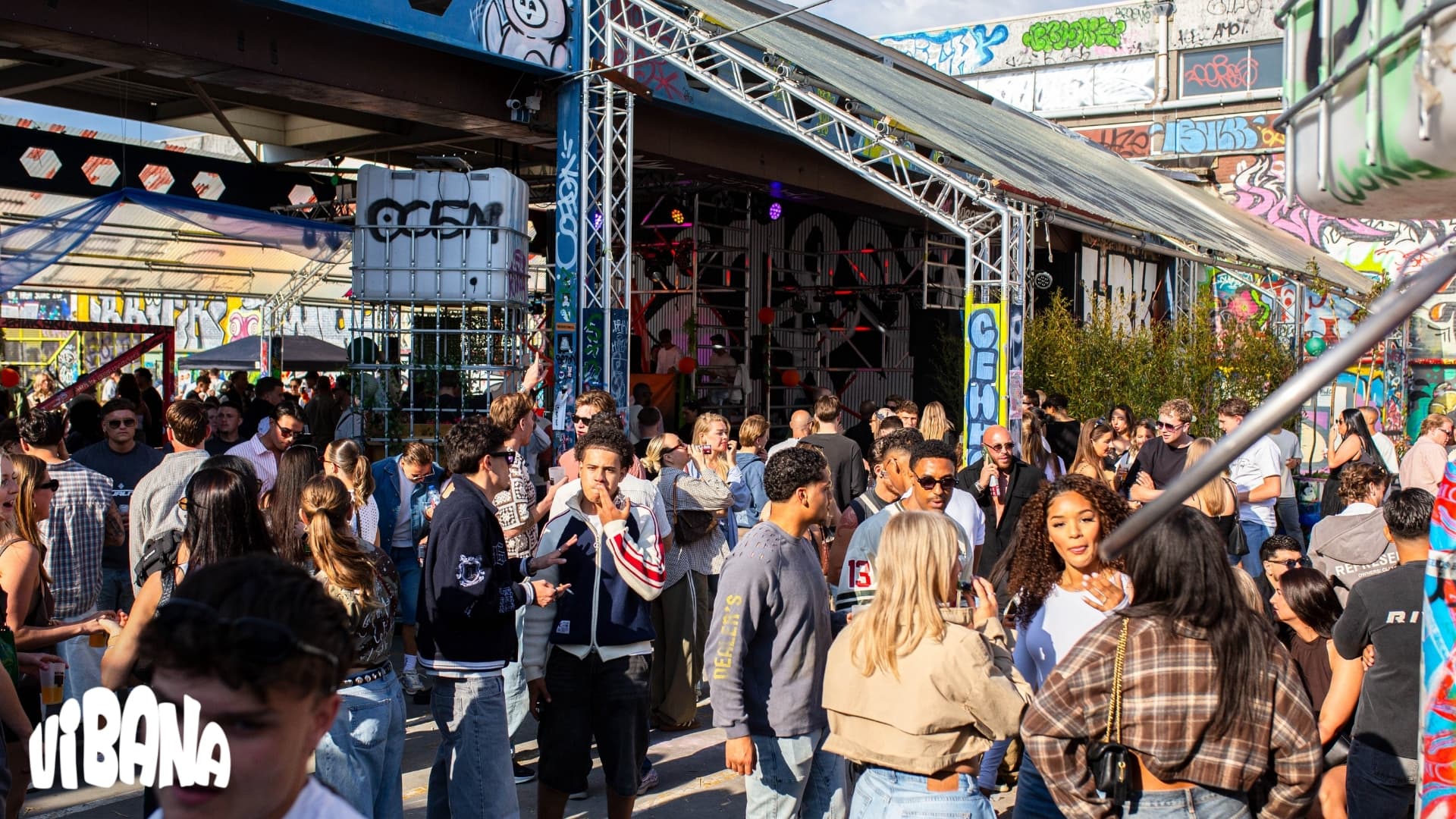
If you've ever been on a dancefloor when the vocals drop out, the tempo steadies, and suddenly everyone's just moving to a beat that won't let go, that was probably Afro House. It's the genre most people can't name but instantly recognize once they hear it.
The short version: Afro House is house music (steady four-on-the-floor tempo) built with African percussion, chants and organic instrumentation on top. It's less about hooks and lyrics, more about rhythm and atmosphere, and it's usually the sound that connects an Afrobeats set to an Amapiano one without breaking the room.
Where Afro House Comes From
Afro House grew out of South Africa's house music scene in the 2000s, when producers started layering traditional African percussion, tribal chants and live instrumentation over classic four-on-the-floor house structures. Black Coffee is the name most associated with taking the sound global, but the genre has deep roots across the continent, pulling from Kwaito, tribal house and West African rhythm traditions along the way.
Unlike Afrobeats, which built its identity through vocal-driven singles and radio hits, Afro House grew up in clubs and on dancefloors. It was built to be played, mixed and stretched out over hours, not to top a chart in three minutes.
What Makes It Sound Like Afro House
A few things separate Afro House from other house subgenres:
- Steady tempo: Usually sitting between 118 and 124 BPM, built for continuous dancing rather than peaks and drops.
- Organic percussion: Congas, shakers, djembe and other live-sounding drums layered over the electronic beat.
- Minimal, atmospheric vocals: Chants, call-and-response phrases or wordless vocal loops instead of full verses and hooks.
- Hypnotic repetition: Long instrumental builds that reward staying on the floor rather than waiting for a single moment to arrive.
The result is music that feels more like a groove you sink into than a song you sing along to.
Afro House, Amapiano and Afrobeats
We've written before about the difference between Amapiano and Afrobeats, and Afro House is really the third piece of that puzzle. Afrobeats is vocal-first and hook-driven. Amapiano is groove-first with that unmistakable log drum bassline. Afro House sits underneath both: steadier, more instrumental, built on the house music framework the other two don't share.
That's exactly why Afro House works so well as connective tissue on a dancefloor. It shares Amapiano's patience and Afrobeats' African rhythm, without competing with either.
Artists Worth Knowing
If you want a starting point, Black Coffee is the obvious one: his sets and productions basically defined the genre's global sound. From there, look into Culoe De Song, Enoo Napa and Themba for more of the deep, percussive end of Afro House, and keep an ear out for how often Amapiano and Afrobeats producers borrow from the same toolkit.
Where You'll Hear It at Vibana
Afro House is usually the sound you don't notice arriving. It's what plays when a set needs to breathe, when the room needs a minute to reset before the next Amapiano log drum or Afrobeats hook lands. At Vibana, it's never treated as a separate lane from the rest of the night, it's part of the same flow.
Want to hear where it fits in? Check out our playlist or see what's coming up next.